
Parents
Welcome to the Parents’ Area
In this section we give information about how to explain dyslexia and associated SpLDs to young learners and share strategies to support them at school and at home, including aspects concerning mental health and well-being. You will find signposts to agencies which can offer guidance and support about your child’s entitlements and provide links to access this. There are inspirational interviews and testimonials to demonstrate the skills dyslexic thinking brings and there is a useful section at the end which offers a list of downloadable resources. The page consists of 6 sections as follows:
- Explaining Dyslexia and SpLDs: how to talk to children about dyslexia and how HWDA can help
- Assessment / Local Authority Support and Information: How to find an assessor, local SEND information, including the Dyslexia Pathway, Local Offers and Parent Carer Voice, Funding
- Supporting Learners: dyslexia, dyscalculia, dysgraphia, dyspraxia and other associated SPLDs: how to help learners at school and at home, including access arrangements for exams
- Training Courses Available
- Mental Health and Well-being: guidance and strategies from national agencies
- Testimonials and Interviews: a selection of inspirational accounts
- List of Resources: downloadable educational resources to use at home and useful links
Advice from the British Dyslexia Association (BDA)
Follow this link to the BDA website for advice, support and resources about all aspects of dyslexia: https://www.bdadyslexia.org.uk/advice

Explaining Dyslexia
For the new definition of dyslexia, please see the What Is Dyslexia? page.The following video by the BDA (British Dyslexia Association) provides a helpful, child-friendly explanation about what dyslexia is and how it affects ways of thinking. Watching it with your child and other family members will give a good understanding of the challenges and skills dyslexia brings.
https://www.bdadyslexia.org.uk/dyslexia/about-dyslexia/what-is-dyslexia
What is Neurodiversity?
The British Dyslexia Association (BDA) has made a useful video to explain what neurodiversity is:
Hereford & Worcester Dyslexia Association offers FREE advice to all parents of children with learning needs. In addition to supporting children with dyslexia, HWDA also supports learners with dyspraxia (motor skills) and dyscalculia (maths and numbers). Please contact the Senior Tutors for more information on how we can help.
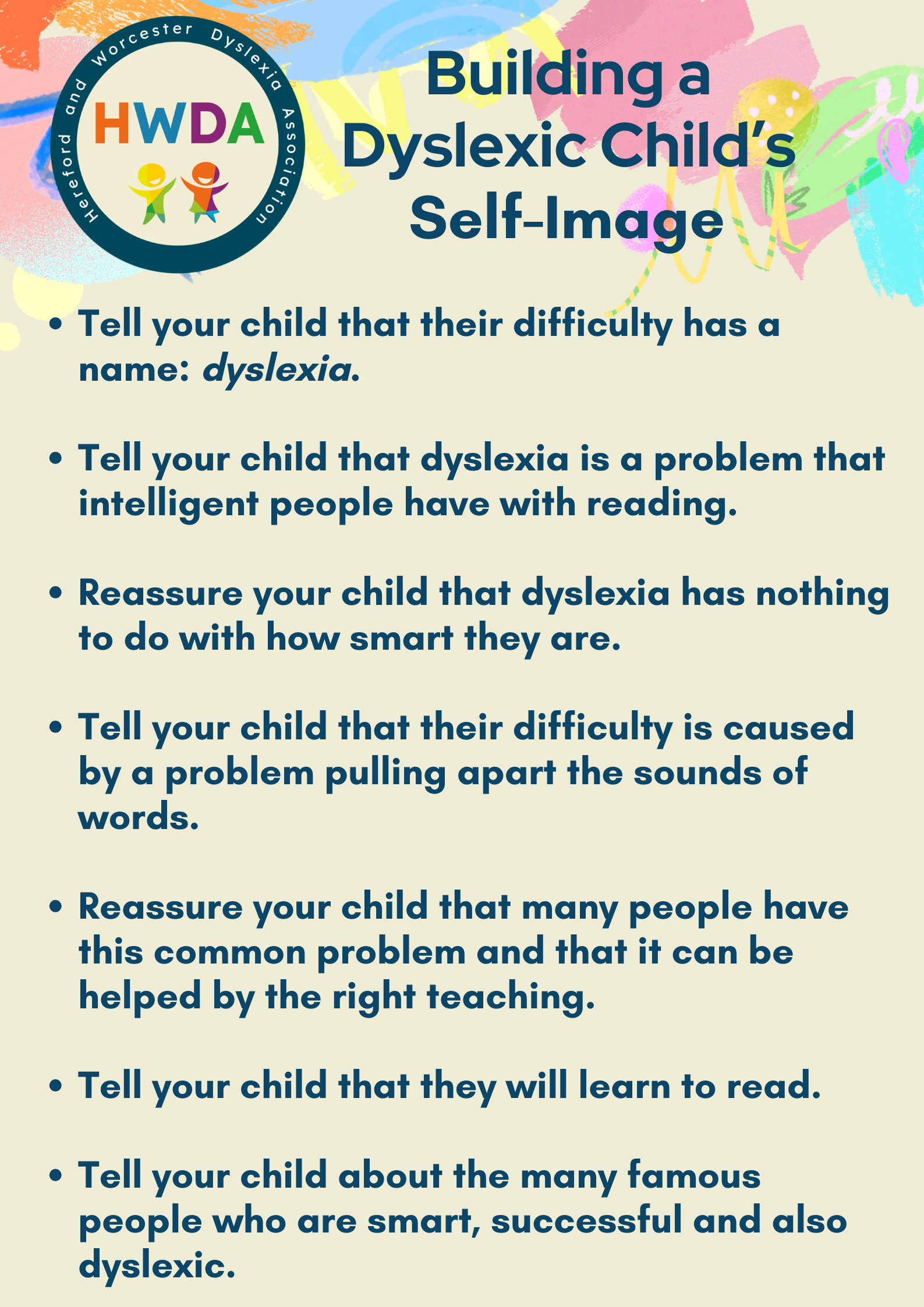
Our Parent Support Groups offer –
- practical advice and help on ways to support at home
- useful technology available and support with programs or apps
- opportunities to discuss realistic expectations of provision in educational environments
- opportunities to talk in confidence to those with similar experiences or appropriate expertise
- free events throughout the year, with guest speakers covering a variety of related topics
- Contact the Senior Tutors at:
- Worcester, Margaret Comerford seniortutorworcester@hwda.org.uk
- Hereford, Bev Drinkwater seniortutorhereford@hwda.org.uk
- Bromsgrove, Linda Adey seniortutorbromsgrove@hwda.org.uk
BDA Top Tips for Supporting a Dyslexic Child

The British Dyslexia Association (BDA) has complied this useful booklet for parents and carers:
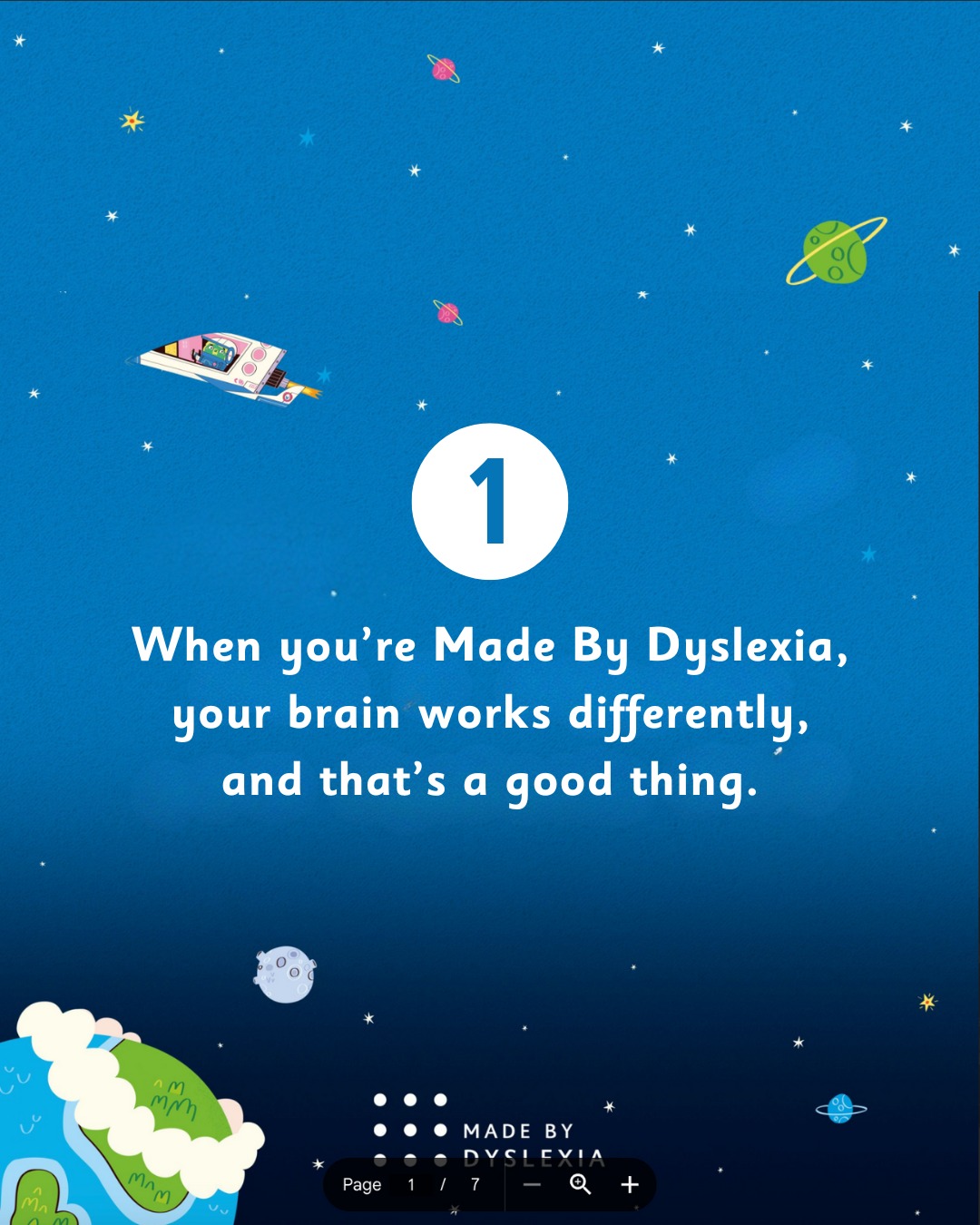
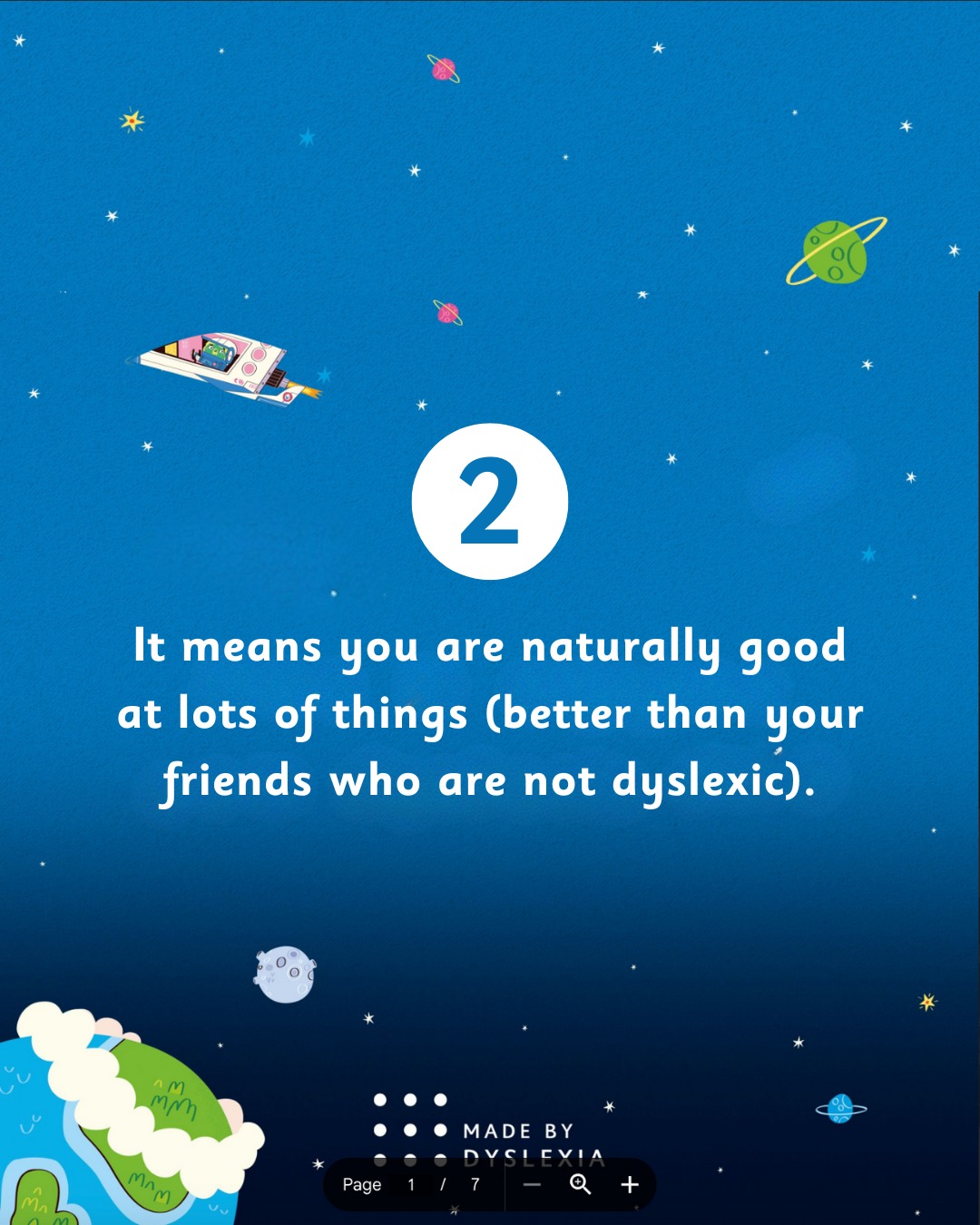
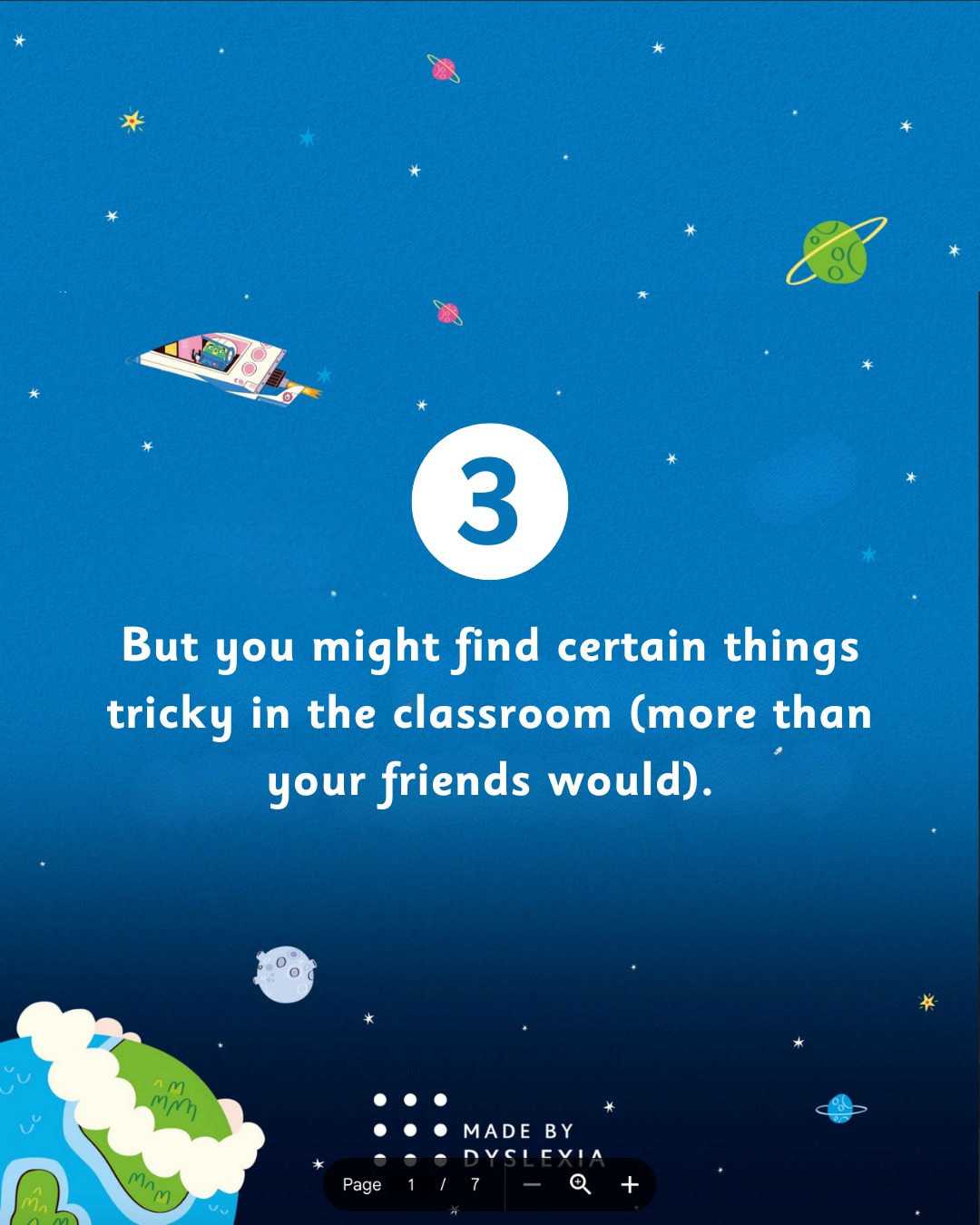
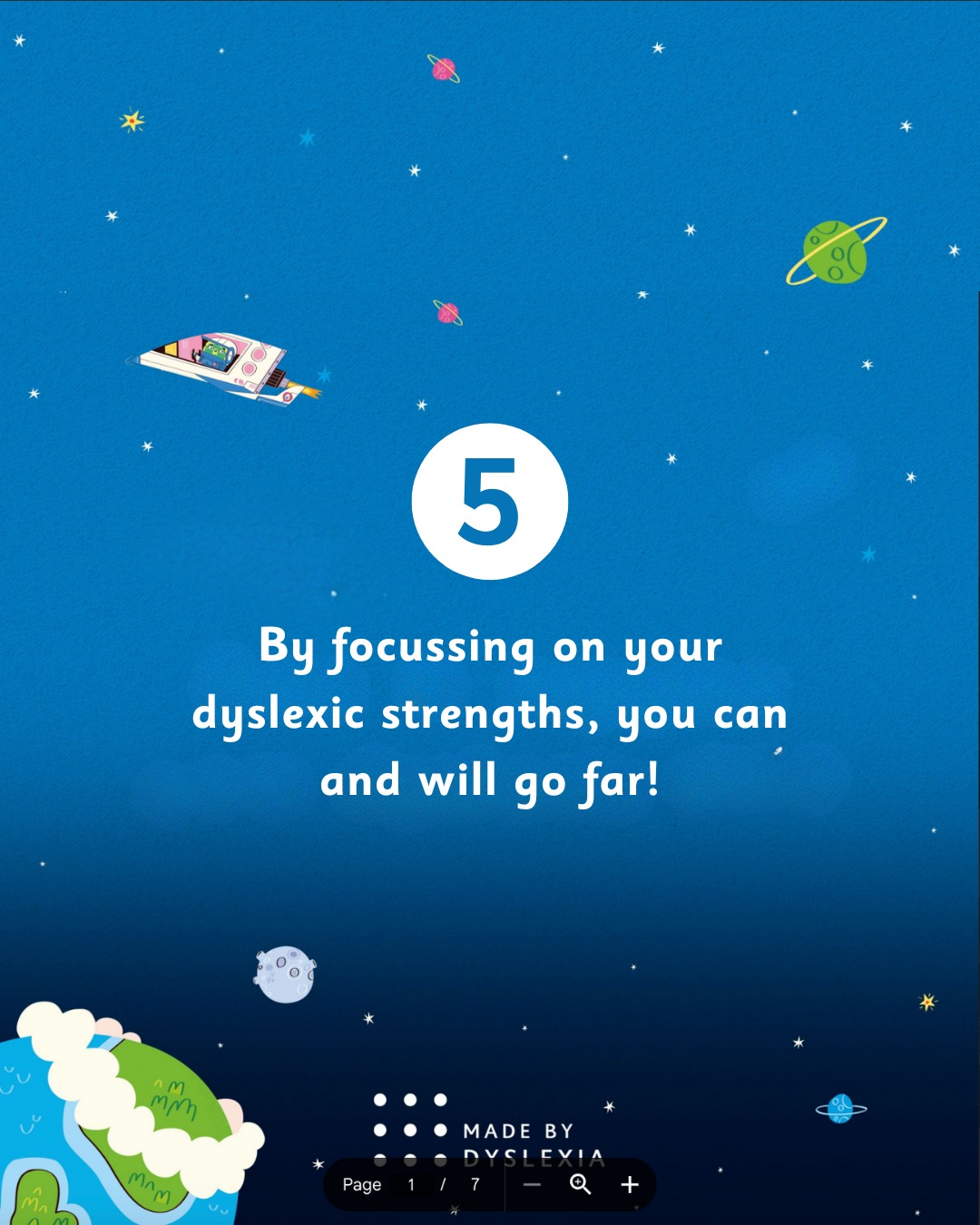
Made By Dyslexia has put together these tips to help parents, teachers and anyone who supports dyslexic learners…

Follow Made By Dyslexia: https://www.facebook.com/hashtag/madebydyslexia
Local Authority Support and Information
Finding an Assessor
The British Dyslexia Association (BDA) sets out advice for how to find an assessor. For more information visit their site: https://www.bdadyslexia.org.uk/services/helpline/ask-us/how-do-i-find-a-good-assessor
Is My Child Dyslexic? British Dyslexia Association (BDA) Guidance for Diagnosis
Diagnosis
If you suspect that your child may be dyslexic and would benefit from additional support then your first step should be to consult your child’s teacher or the school’s Special Educational Needs Coordinator (SENCo) to discuss your concerns.
The SENCo may decide to carry out screening tests or checklists to find out more about your child’s areas of strength and weakness in order to see how best they can be supported in the classroom. This support is called SEN Support.
A school doesn’t need a formal diagnosis to put support in place for your child and shouldn’t delay in providing appropriate support and/or interventions. However, a Diagnostic Assessment can help to ensure that the appropriate interventions are put in place.
Diagnostic Assessment
The only way dyslexia can be formally diagnosed is through a Diagnostic Assessment carried out by a certified dyslexia assessor. This assessment will tell you if your child is dyslexic or not. You will receive a detailed report outlining areas of strengths and weaknesses and a clearer idea of your child’s cognitive profile and how best to support them.
The aim of the assessment aim is:
- To highlight the young person’s individual style of learning or working and what does/doesn’t work for them
- To collect information about reading, spelling and writing skills
- To identify whether there is a clear discrepancy between general level of ability, and reading and writing attainment
- To consider other factors which may be affecting learning
- To identify whether any Reasonable Adjustments will need to be made in order for a young person to fully access the curriculum and exams
Through consultation with the school’s SENCo these assessments can either be requested by the school, or you can arrange and pay for an assessment privately.
The British Dyslexia Association can offer advice, and arrange Diagnostic Assessments. Find out more on the BDA Assessment webpage
Local Area SEND Information
The Local Offer puts all the information about education, health and care services, leisure activities and support groups in one place. It has two main purposes: to provide clear, comprehensive and accessible information about the support and opportunities that are available. The following links take you to Worcestershire and Herefordshire Local Offer guidance.
2022 Worcestershire Local Area SEND – PDF download
2022 Worcestershire Dyslexia Pathway – PDF download
https://www.worcestershire.gov.uk/sendiass/sendiass-support/sendiass-guidance-local-offer
https://www.herefordshire.gov.uk/local-offer
https://www.herefordshire.gov.uk/support-schools-settings/teaching-children-sen-disability/2
Education Health Care Plan – PDF download
Advice and Support
https://www.hwsendiass.co.uk/
Advice and support for parents struggling with schools etc
https://www.hwsendiass.co.uk/info/24/send-support-ehcps
https://www.ipsea.org.uk/
IPSEA offers free and independent legally based information, advice and support to help get the right education for children and young people with all kinds of special educational needs and disabilities (SEND).
https://talking-sense.org/
Non profit help with Advocacy for SEND
https://autismwestmidlands.org.uk/
Local to Worcestershire: North Worcestershire Autism Parent Group (All welcome) Facebook page
https://www.specialneedsjungle.com/
Magazine online re SEND across UK
SEN support in Mainstream Schools – PDF download
Bursaries and Funding

We are delighted to announce the launch of a third round of dyslexia assessment bursaries, made possible through our ongoing partnership with our Empowerment Patron, Theo Paphitis, and his fantastic team at Ryman.
This initiative aims to provide, remote dyslexia assessments for young people aged 12–21 from low-income families across England, Wales and Northern Ireland, helping to ensure every young person has access to the support they need to reach their full potential. https://www.bdadyslexia.org.uk/news/new-dyslexia-assessment-bursaries-available-for-young-people
Dyspraxia & Dyscalculia
Worcestershire Learning Support Team updated their Dyspraxia / DCD Pathway information in February 2024. Details can be found here: https://www.worcestershire.gov.uk/council-services/schools-education-and-learning/send-local-offer/neurodivergence-zone/dyspraxia-develo
For the NHS guidance on dyspraxia follow this link: https://www.nhs.uk/conditions/developmental-coordination-disorder-dyspraxia
HWDA President, Katrina Kear-Wood, has written a series of articles about dyscalculia, which are very useful:
Dyscalculia Network

The Dyscalculia Network UK provides expert advice and guidance: https://dyscalculianetwork.com/
Their annual report 2024 -2025 can be fond here: Dyscalculia Network – CIC Report April 2024 – March 2025 – Dyscalculia Network
Follow the link below for more information about dyscalculia.
Dysgraphia


Nessy is a great website that offers information, advice and resources to help with dysgraphia:
https://www.nessy.com/en-us/search?q=dysgraphia

Worcestershire Parent Carer Forum is a collective of parent carers of children with a wide range of special educational needs and disabilities. Their aim is to make sure that parents’ voices are heard when it comes to planning and decision making about services for SEND children and young people in Worcestershire. For more information about the services, help and advice WPCF offers, follow this link to their website: https://worcspcf.org/about-us/
In addition, a new forum has been set up for parents and carers, managed by WPCF.
WPCF host regular events and activities throughout the county. Information about these are best accessed via their Facebook Page which you can link to here: Facebook

Below are some examples of the sorts of events they run:



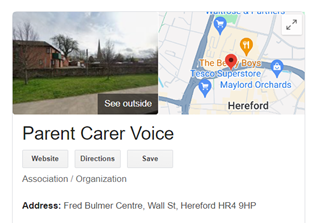
The Parent Carer Voice Herefordshire (PCVH) is a group composed of parents and carers of children and young people with special educational needs and disabilities (SEND) in Herefordshire. Their aim is to ensure that the voices of parents and carers are heard and their views are taken into account when planning and delivering services for children with SEND.
Parents and carers have told us how helpful this organisation has been for them in providing information and support about how to understand and access help available locally. See their website: https://pcvh.co.uk/ or follow them on Facebook: https://www.facebook.com/search/top/?q=parent%20carer%20voice%20hereford
Supporting Learners at Home and at School
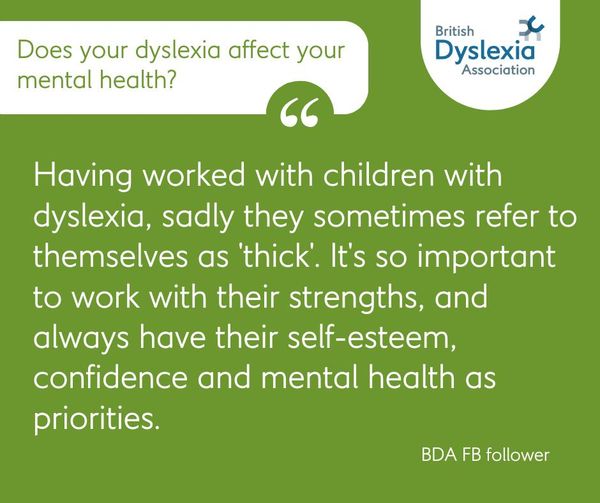
If you’re looking for ways to support your learners at home or in the classroom, take a look at our Top Tips booklet which offers advice on everything from reading, storytelling and homework to memory and concentration: https://simplebooklet.com/bdatoptipsparents
#DyslexicChild#DyslexiaAdvice#DyslexiaSupport#TopTips#Dyslexia
Dyslexia Action: Understanding the Similarities and Differences Between ADHD and Dyslexia
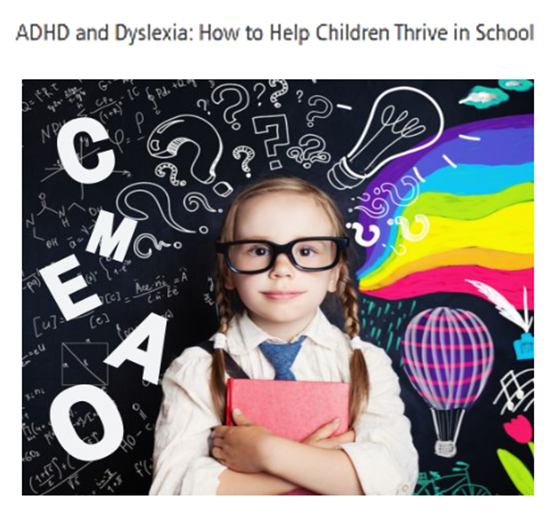
Dyslexia Action have put together a useful guide to understanding the similarities and differences between Dyslexia and ADHD and offer advice on how best to support young learners at school.
Visual processing disorder and dyslexia

Visual processing disorders can interrupt an individual’s ability to understand and navigate written symbols, which may cause problems with math and learning to read at school. They’re not due to vision problems or any issues with the eyes, but rather with how the brain interprets visual information.
On the other hand, dyslexia is a separate condition that often makes it challenging to break spoken language down into its component parts. This, in turn, complicates reading and spelling. While the two conditions can look similar, they have different causes and thus children and adults who have one and not the other will require a different set of strategies and accommodations.
You may also encounter the term visual dyslexia, which can describe individuals who have dyslexia but are prone to reversing or transposing letters, struggle with locating words on the page, and have a tendency to skip words.
Some research suggests that children who struggle with learning difficulties, such as dyslexia, or attention disorders like ADHD, are more likely to experience some form of visual processing disorder (1). When a visual processing disorder and dyslexia co-occur, both auditory and visual processing of language can be problematic. In other words, a child can struggle to access the print and make sense of the language he or she encounters. Follow this link for more information: Visual processing disorder and dyslexia
Study Skills: Supporting Your Child With Their Exams
At this time of year, many students will be revising for upcoming exams and so the following webinar by the BDA (British Dyslexia Association) provides useful information about how to help them prepare by developing appropriate study skills. There is also a link to a helpful guide to Access Arrangements for exams that schools and colleges should provide for children with dyslexia, such as extra time, readers, scribes and the use of assistive technology.
Access Arrangements
The BDA have set out a complete guide to access arrangements for teachers. See the following link:
https://www.bdadyslexia.org.uk/advice/educators/what-do-i-need-to-know/exam-access-arrangements
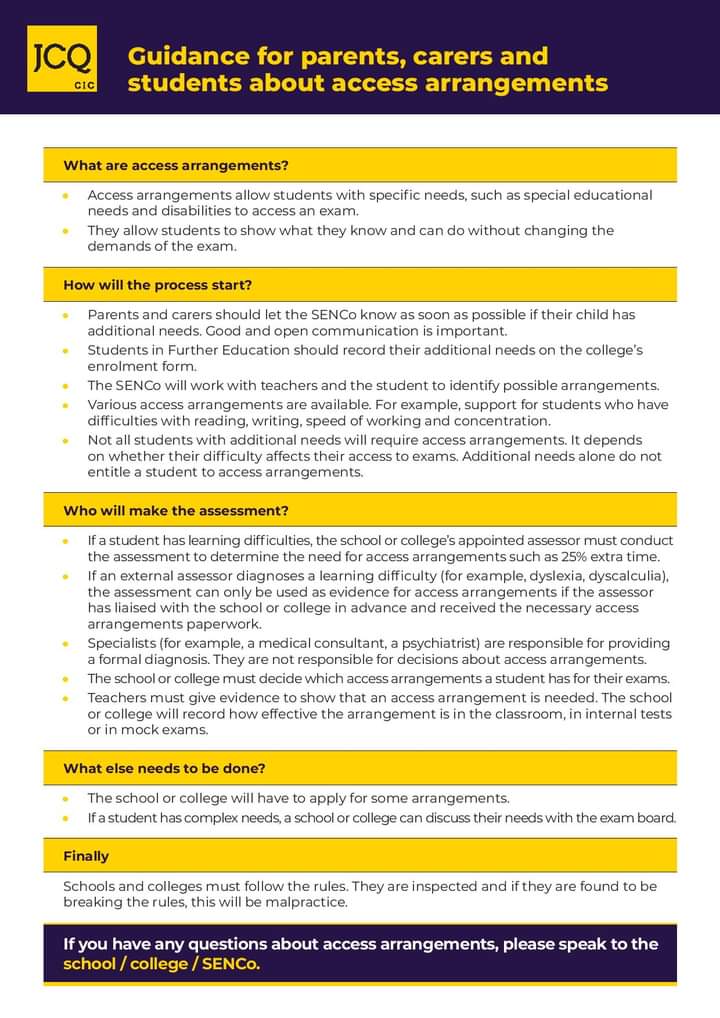
The following advice for parents is set out by the Joint Council for Qualifications (JCQ):
https://www.youtube.com/watch?v=X2XhLy1aRgo&t=8s

Access Arrangements allow candidates/learners with special educational needs, disabilities or temporary injuries to access the assessment without changing the demands of the assessment. Access Arrangements can only be granted if they are a candidate’s ‘normal way of working’ and the candidate has a history of need. The purpose of Access Arrangements is to ‘level the playing field’, by removing barriers to assessment and provide equality of opportunity for all. In this way, examination boards will comply with the Equality Act 2010 to make ‘reasonable adjustments’.
Each year the Joint Council for Qualifications (JCQ) updates the regulations surrounding Access Arrangements for GCSE and GCE (A Level) examinations. Access Arrangements must be applied for and agreed before the exam, based upon assessment need and the candidates usual way of working.
Students can be assessed for Access Arrangements no earlier than 26 months before their examinations. This means that most schools will assess students in the summer term of Year 9, or throughout Year 10. The deadline to submit an application for Access Arrangements is usually in February, although late applications can be submitted under special circumstances.
In order to complete an application for Access Arrangements, a ‘Form 8’ needs to be completed. This has three parts:
Part 1 – Completed by the schools’s SENCO. This paints a picture of need, identifying the students difficulties and levels of support. It includes an educational and/or SEN history, teacher comments and evidence of usual way of working in class.
Part 2 – Completed by the school’s assessor, or an assessor who has a working relationship with the school. An assessor must be either an Educational Psychologist or a dyslexia assessor with an SpLD Assessment Practising Certificate or a specialist teacher with a Level 7 EAA assessing qualification. They will use recognised standardised assessment to assess students. Assessments may focus upon: handwriting speed and clarity; processing speed; working memory. Assessments might also explore reading accuracy, spelling accuracy or reading comprehension. The Assessments provide a standard score which enable comparisons ad can be used to identify if the score is within the average range. 68% of the population falls within the average range. Usually, for an access arrangement to be implemented, the score must be below the average range.
Part 3 – Completed by the school’s SENCO. A signed confirmation of the arranged Access Arrangement.
Whilst there are a number of different Access Arrangements and examination concessions, the most common include:
· 25% Extra time. This provides the candidate with additional time to complete the assessment. In exceptional circumstances more than 25% extra time can be provided.
· A reader or reading technology. This provides the candidate with someone (or technology) that reads the examination paper and/or what the candidate has written out-loud. In an exam that assesses reading ability a human reader is not allowed.
· A scribe. A scribe will write what the candidate dictates. Marks for SPaG cannot be awarded.
· Modified papers. Examination papers have the exam printed in different sizes, fonts, colours, braille, or modified language.
· Assistive technology. Many students prefer to use a specific examination laptop (with the spell checker turned off) instead of handwriting (or using a scribe). Other assistive technology includes exam reading pens, computer text readers, and voice processors. These must be the student’s usual way of working in class.
· Separate room. To accommodate some of the above Access Arrangements, or for students with high anxiety, sensory difficulties of other Special Education Needs, they may be able to complete the examination in a separate room.
· Supervised rest breaks. The time is stopped whilst the student is having a break and restarts once they are able to restart the examination. Rest breaks are usually put in place due to a medical condition.
It should be noted that Access Arrangements should:
· be the minimum necessary to allow the student to demonstrate their level of ability
· not be intended to compensate for lack of attainment
· not give any advantage to the candidate
The current Access Arrangement guidance for schools can be found at: https://www.jcq.org.uk/exams-office/access-arrangements-and-special-consideration/
Advice for students on how to make the best use of their Access Arrangement can be found at: https://kentdyslexia.co.uk/resources-1 or contact us for any queries or to book an remote dyslexia / access arrantement assessment
Training Courses For Parents / Carers and Professionals
Made By Dyslexia offer free training across a range of levels.


https://www.madebydyslexia.org/education-learn-dyslexia/
Mental Health and Well-Being
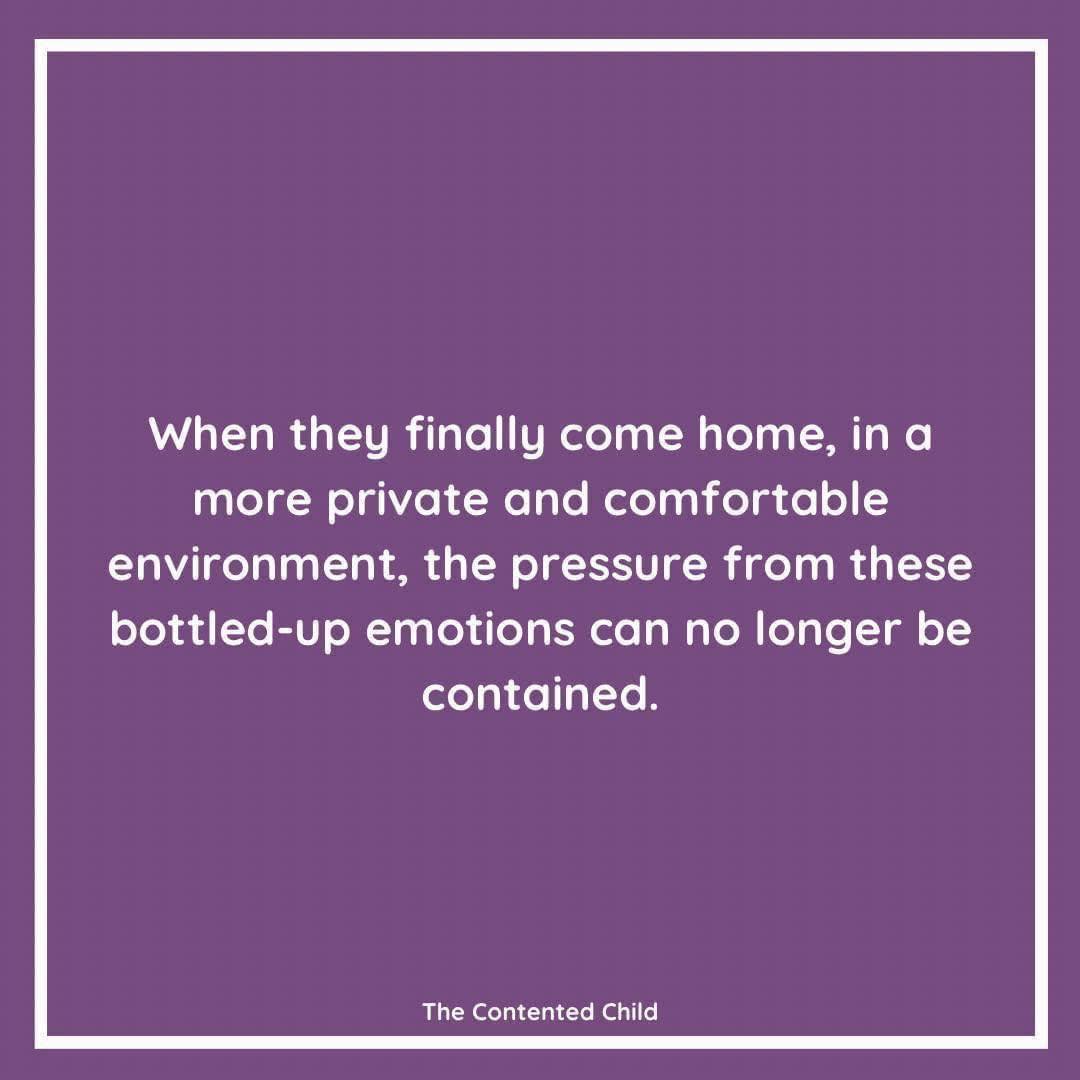
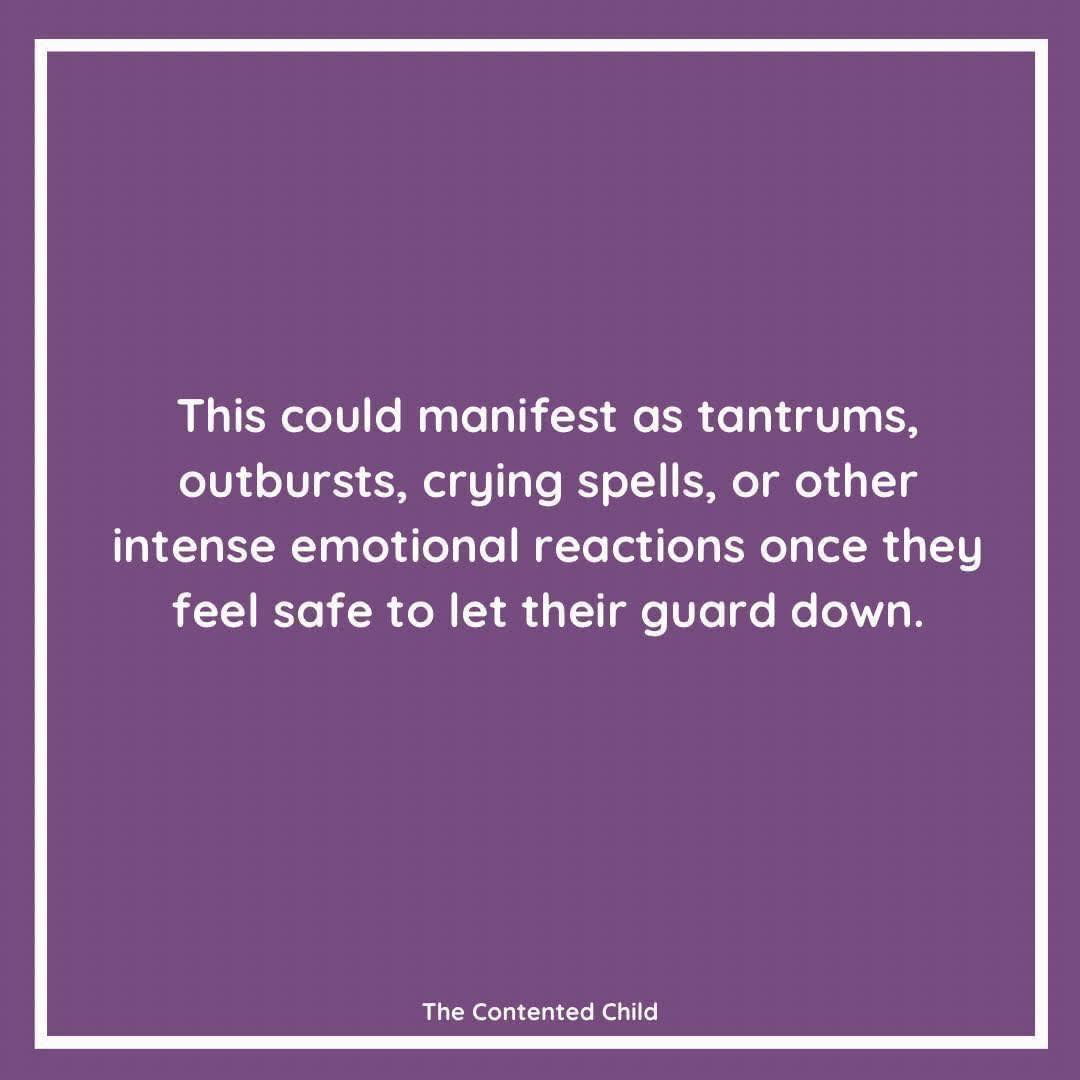
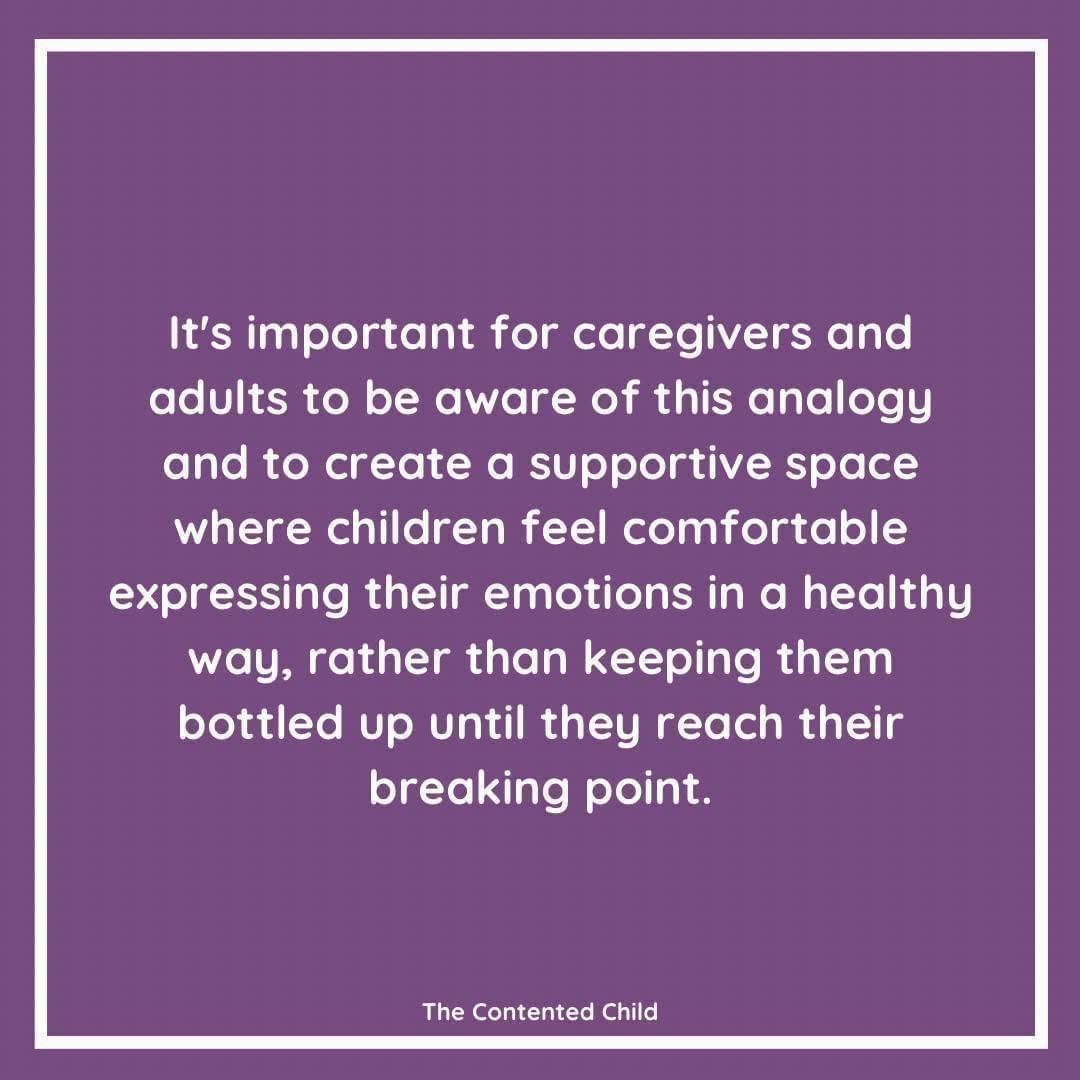
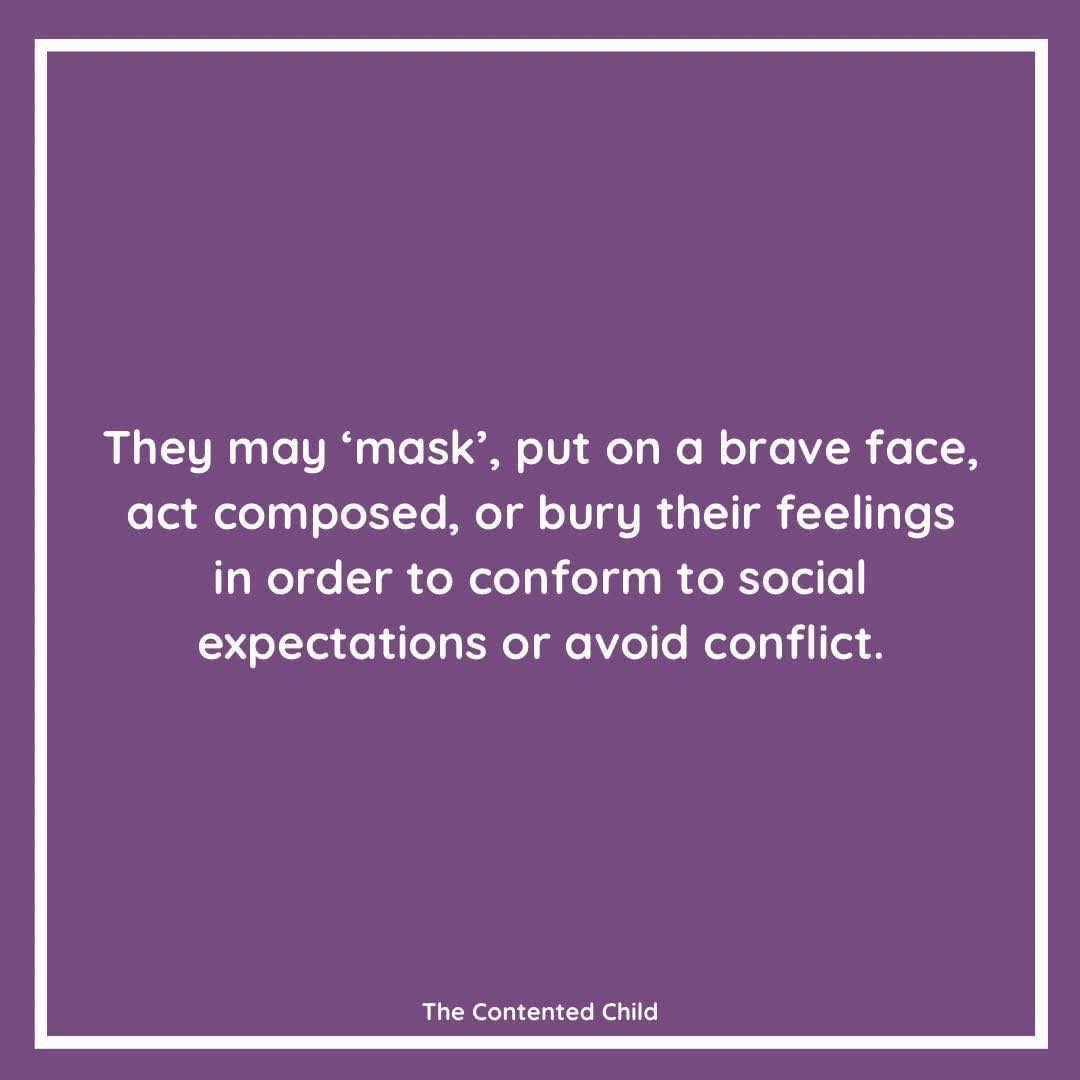
THE COKE BOTTLE ANALOGY
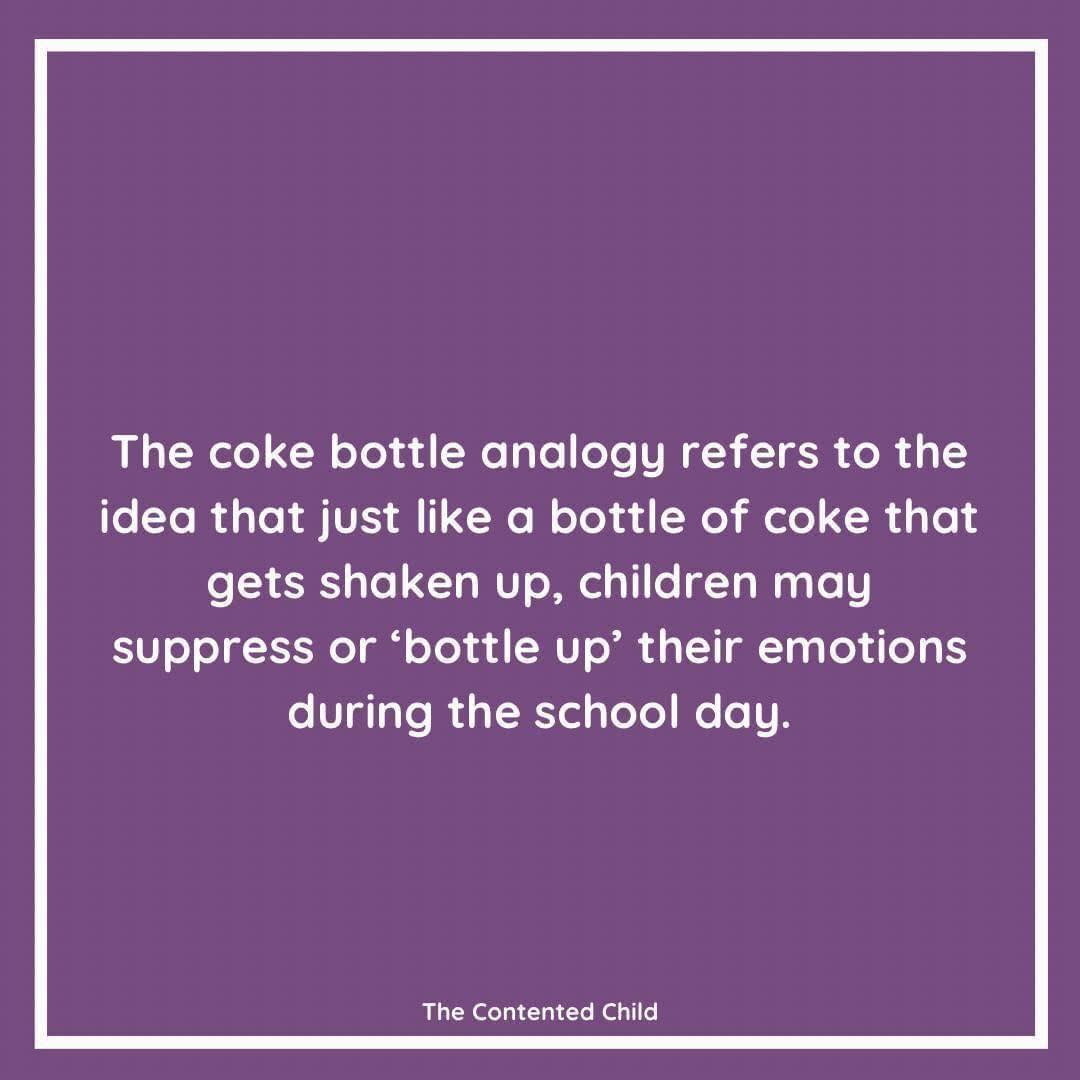
This is a very simple analogy to use with children to explain ‘masking’ and bottling up feelings during the school day set out by The Contented Child, Child Wellbeing Consultancy. Follow the link for more information.
Electronic download available at https://thecontentedchild.co.uk/…/what-makes-me-feel…/



If you are struggling with your mental health, or know someone who is, visit https://camhs.hacw.nhs.uk/ if you are a child or young person or if you are an adult visit https://www.nowweretalking.nhs.uk/ The Herefordshire and Worcestershire Health and Care NHS Trust have teamed up with Split Second to promote their new song, ‘Reach Out’, which talks about the impact of the pandemic on their mental health. Video produced by Harms Way. For more information on the campaign and ways you can support us please visit: https://camhs.hacw.nhs.uk/reachout-music
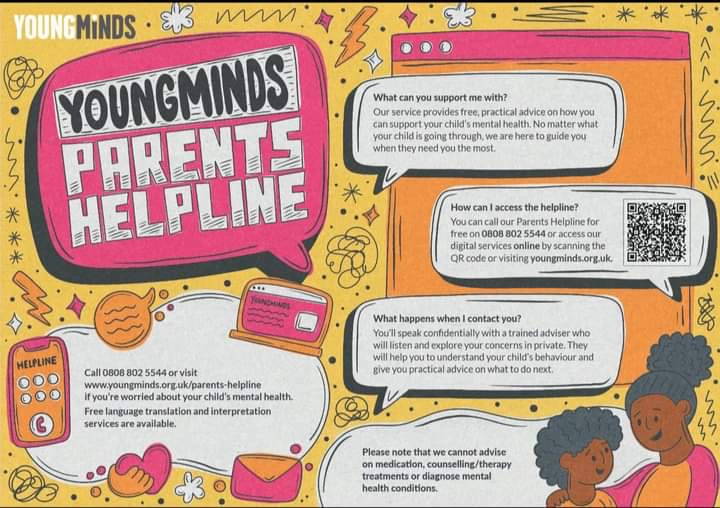
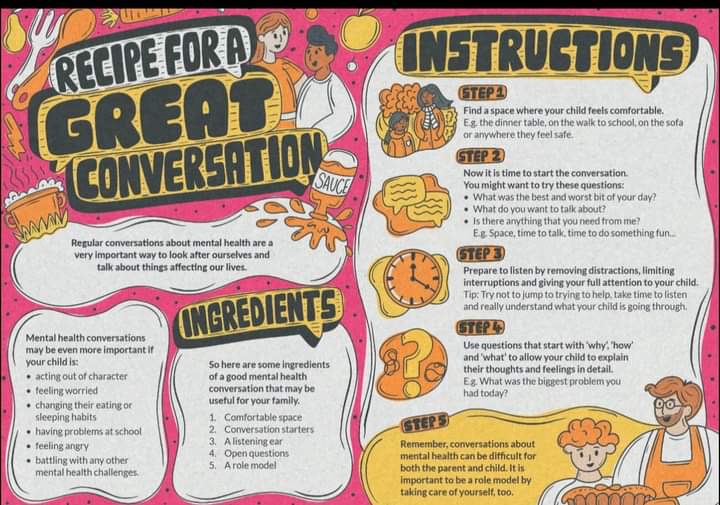
The National Network of Parent Carer Forums (NNPCF) have been asked to share information from Young Minds about their free helpline for parent carers:
Young Minds is the UK’s leading charity fighting for young people’s mental health. The Parent Helpline is a free national service for any parent or carer concerned about a young person aged 0-25 years. We give customised advice and provide translation services in over 200 languages. We also have comprehensive resources on the Parent and Carer section on our website, which was visited 1.7 million times last year. You can visit our website here: youngminds.org.uk
Please note, the content has not been written or coproduced with the NNCPF. If you have any queries or would like them to come and speak to parent carers in your local area, please contact them directly at: jillwalsh@youngminds.org.uk and they may be able to visit or attend an online meeting.
NSPCC: How to talk to your children about difficult topics.
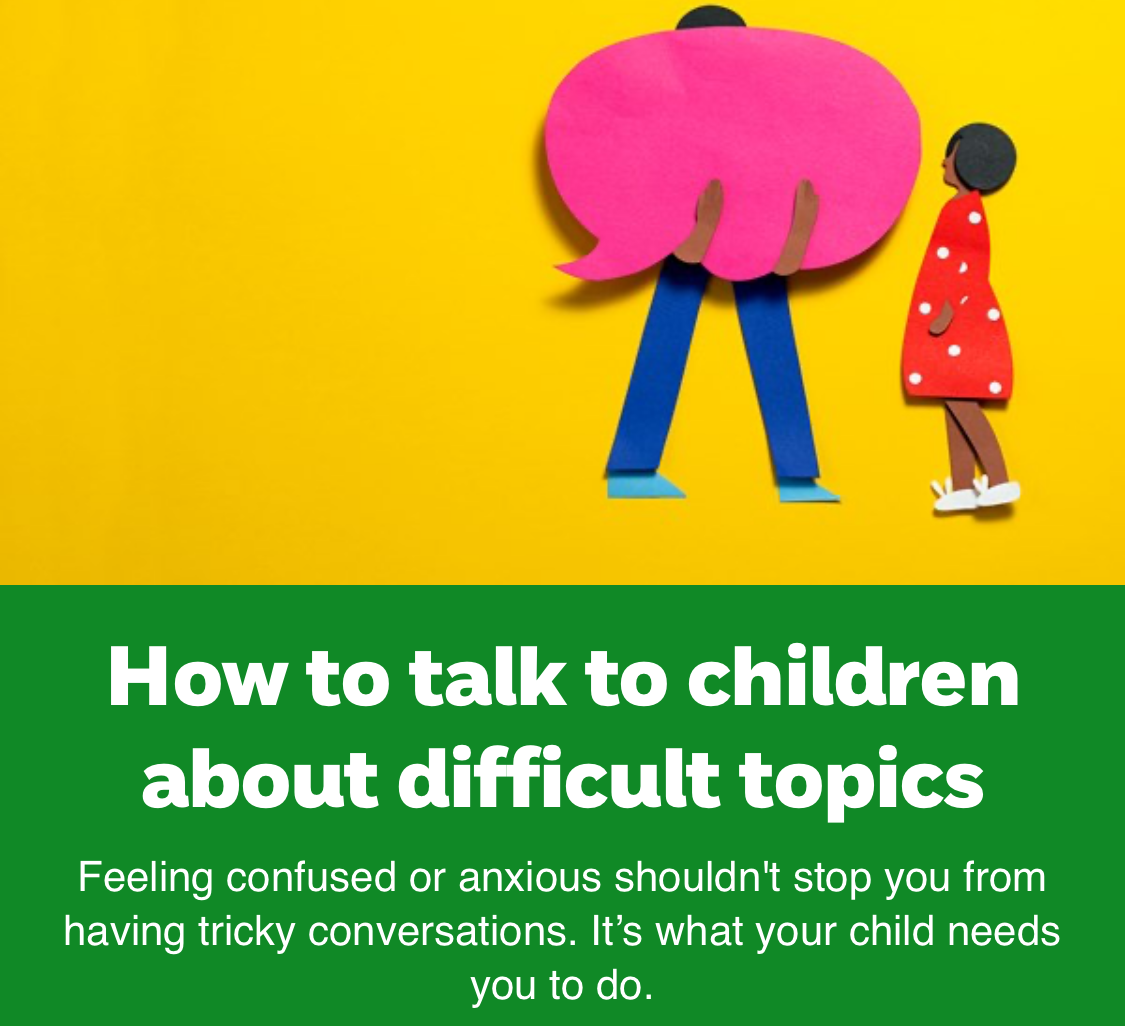
The NSPCC has put together some useful information for parents on how to talk to their children about difficult and sensitive topics. They have advice to help you decide how to talk to your child in an age-appropriate and supportive way. But you know your child best, so trust your judgement about what’s going to work for them. Follow the link below to access their website: https://www.nspcc.org.uk/keeping-children-safe/support-for-parents/talking-about-difficult-topics/
Additional links to mental health issues, support and organisations:
https://www.hacw.nhs.uk/search/service/wellbeing-and-emotional-support-teams-in-schools-157/
https://learning.nspcc.org.uk/child-health-development/promoting-mental-health-wellbeing#article-top
Parents – Emotionally Based School Avoidance – PDF Download
https://www.family-action.org.uk/our-voices/2022/02/10/how-to-support-your-childs-mental-health/
The following article by HWDA President, Katrina Kear-Wood, explains how occasions such as Christmas can cause sensory overload for the neurodivergent and those with ADHD and offers strategies to manage the social and emotional difficulties they may bring.
Testimonials, Interviews and Accounts

“Dyslexia is a gift and I want to share it with the world.”

Follow the link to watch this inspirational interview with Hamza Yassin. https://www.facebook.com/reel/789722659345805
Dyslexic Thinking Skills
The link below to Dyslexic Thinking Skills is a user-friendly guide to how the dyslexic brain works and the strengths dyslexic thinking brings to individuals.
https://www.facebook.com/madebydyslexia/videos/906537180702592/?mibextid=rS40aB7S9Ucbxw6v
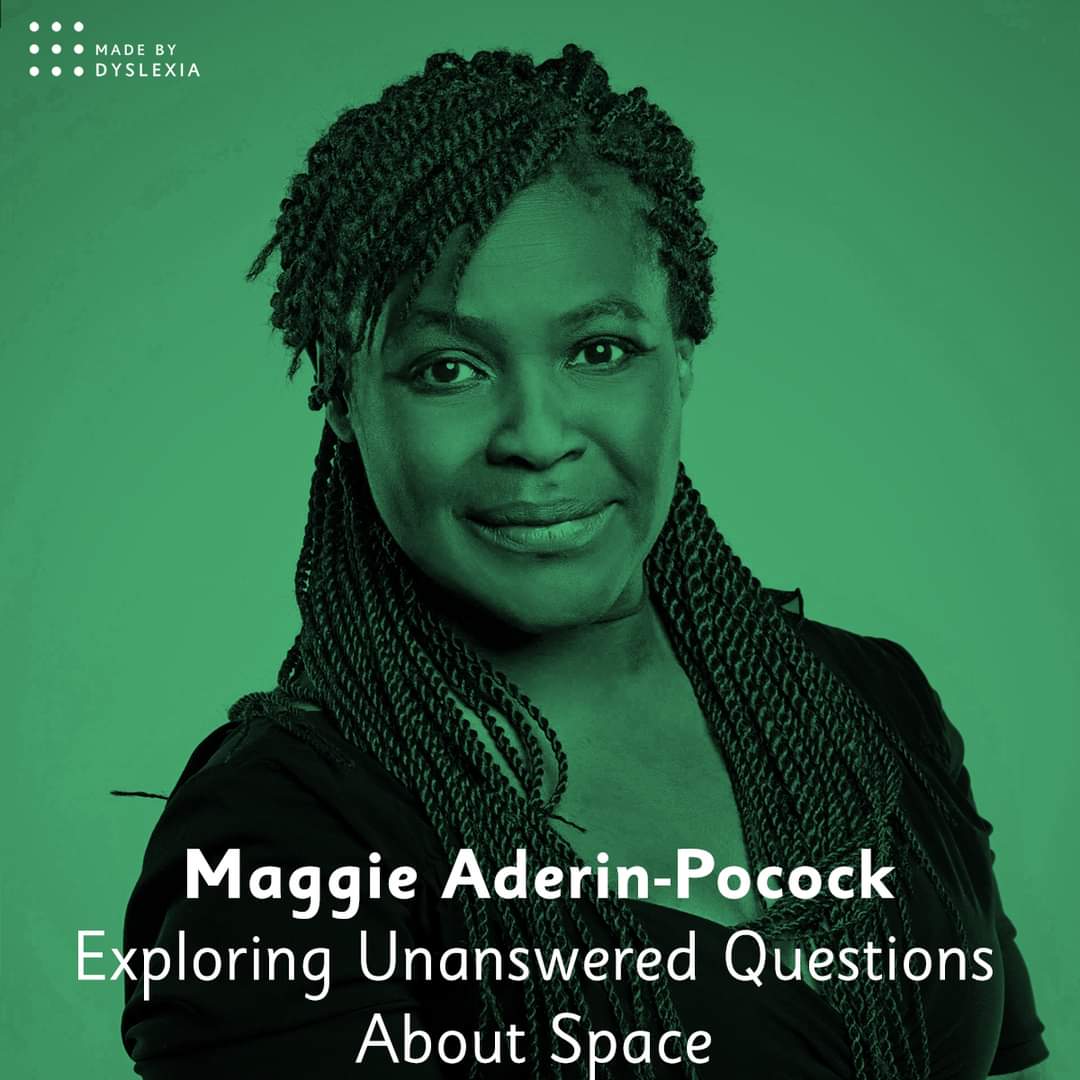
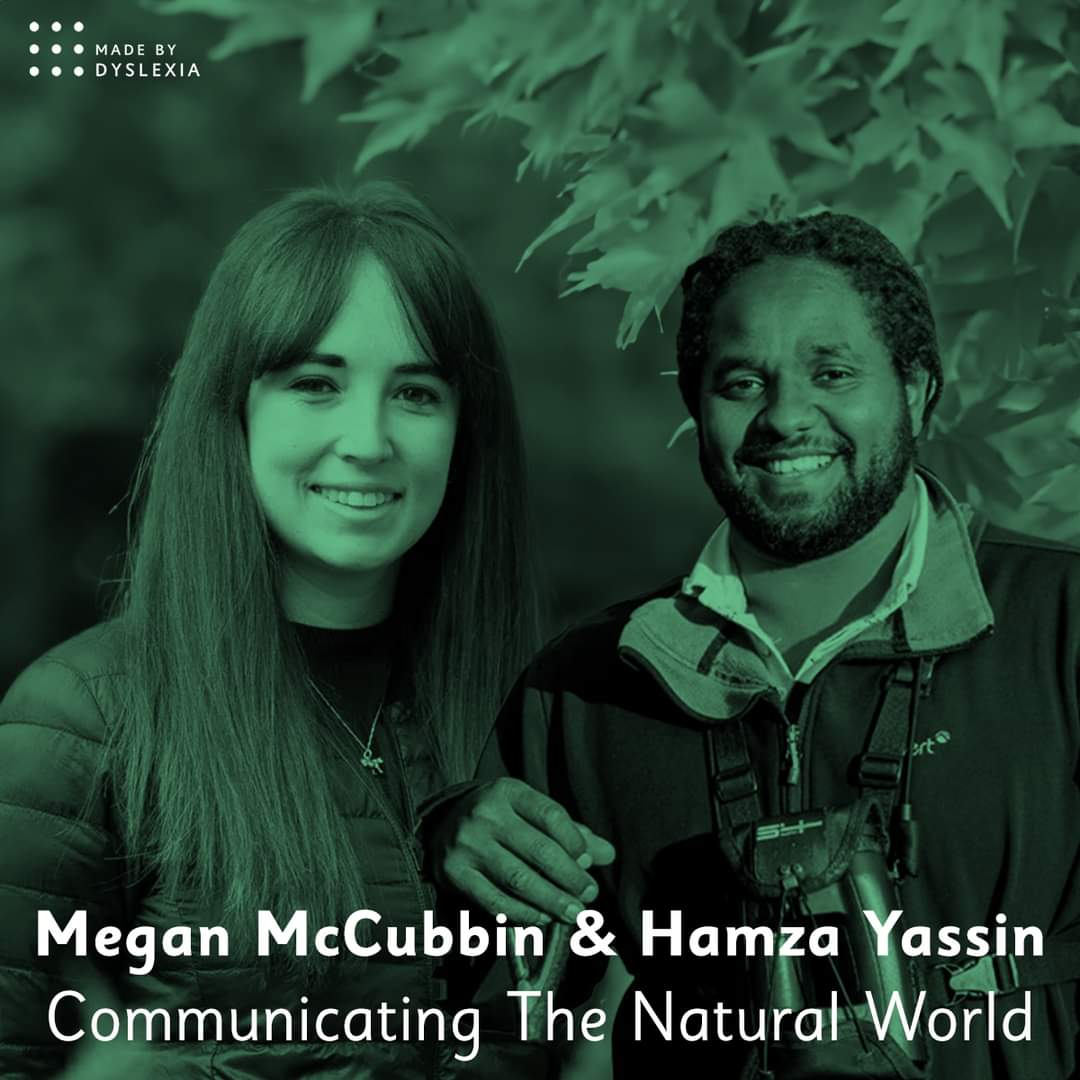
Made by Dyslexia Celebrates the Dyslexic Thinking Skills of Inspiring Women on International Women’s Day
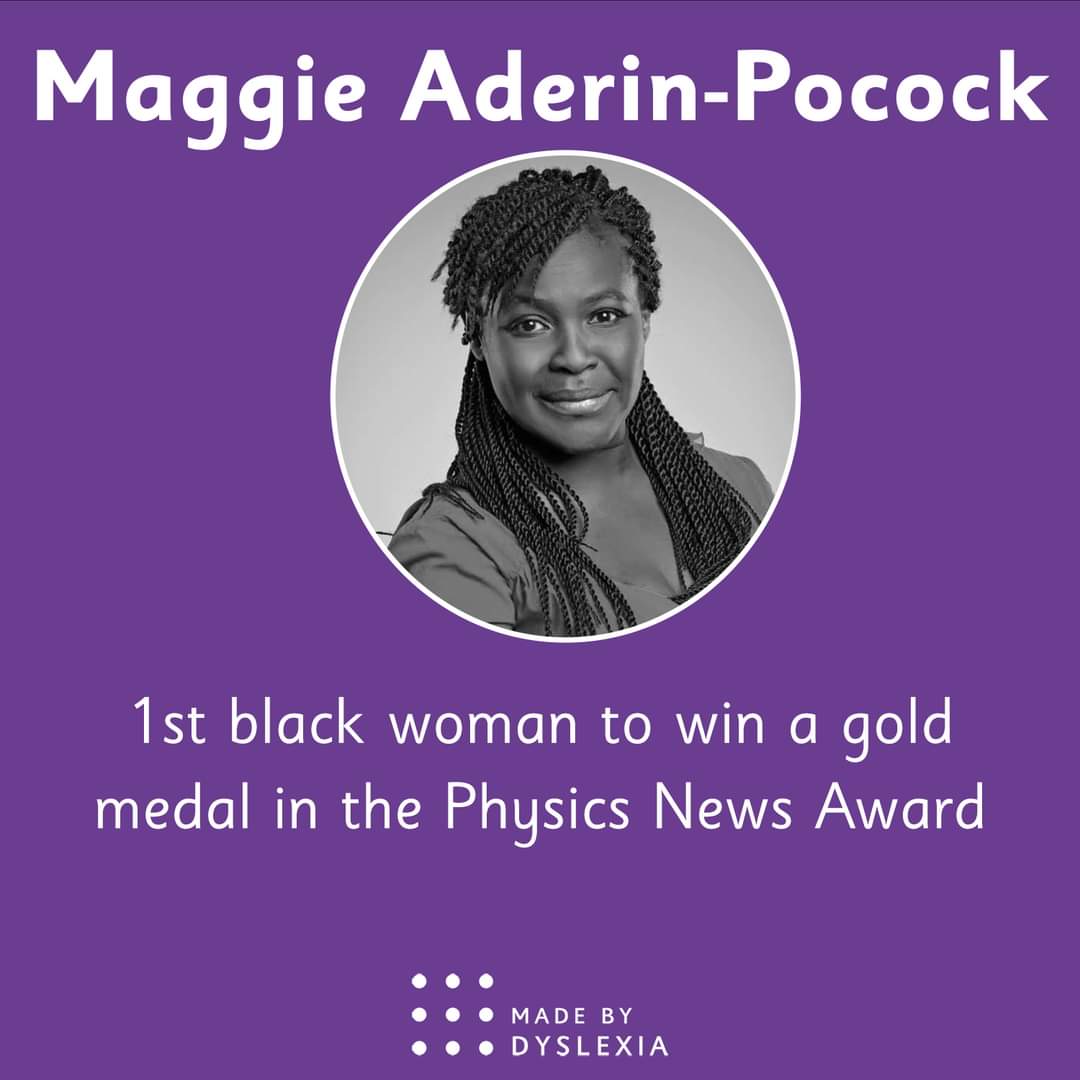
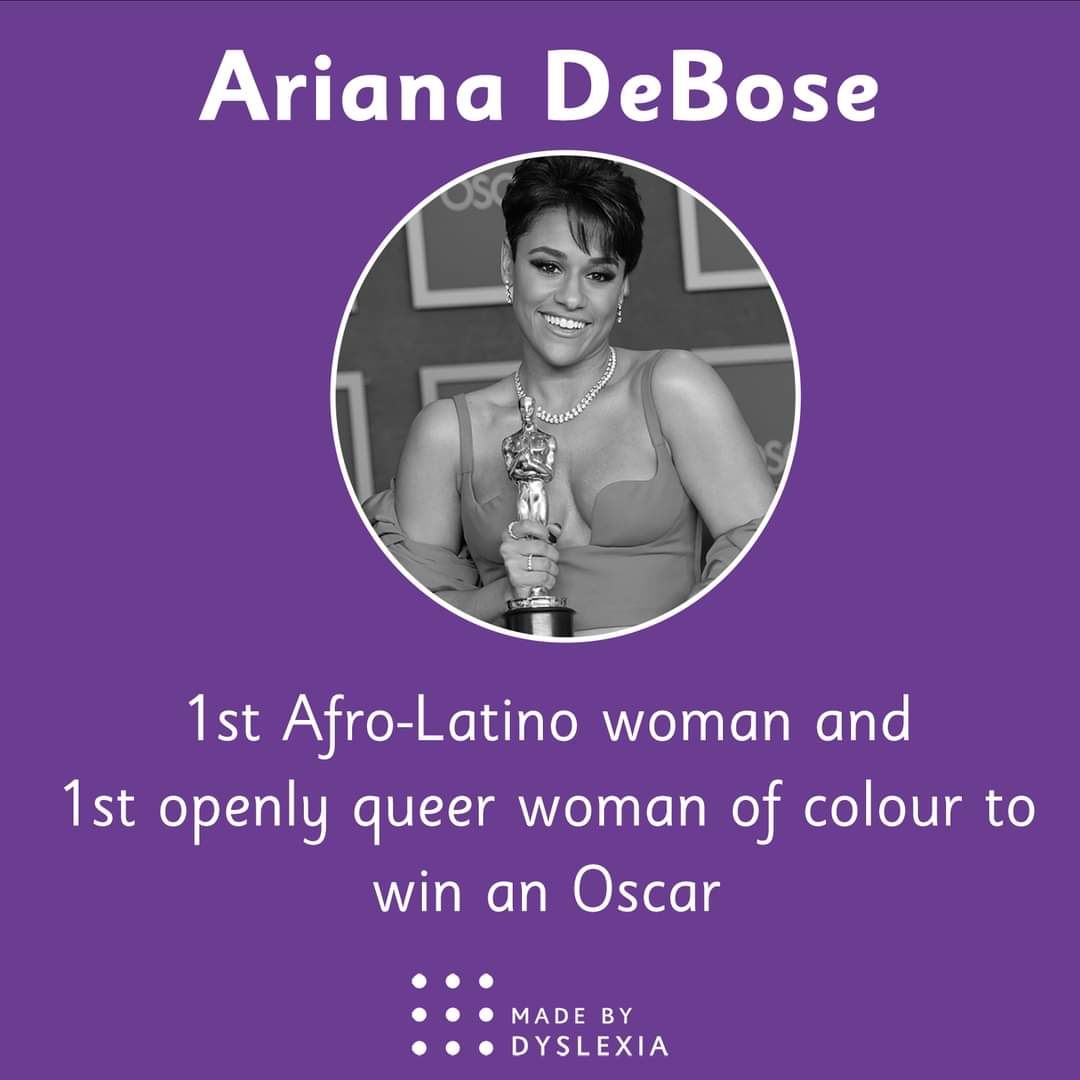
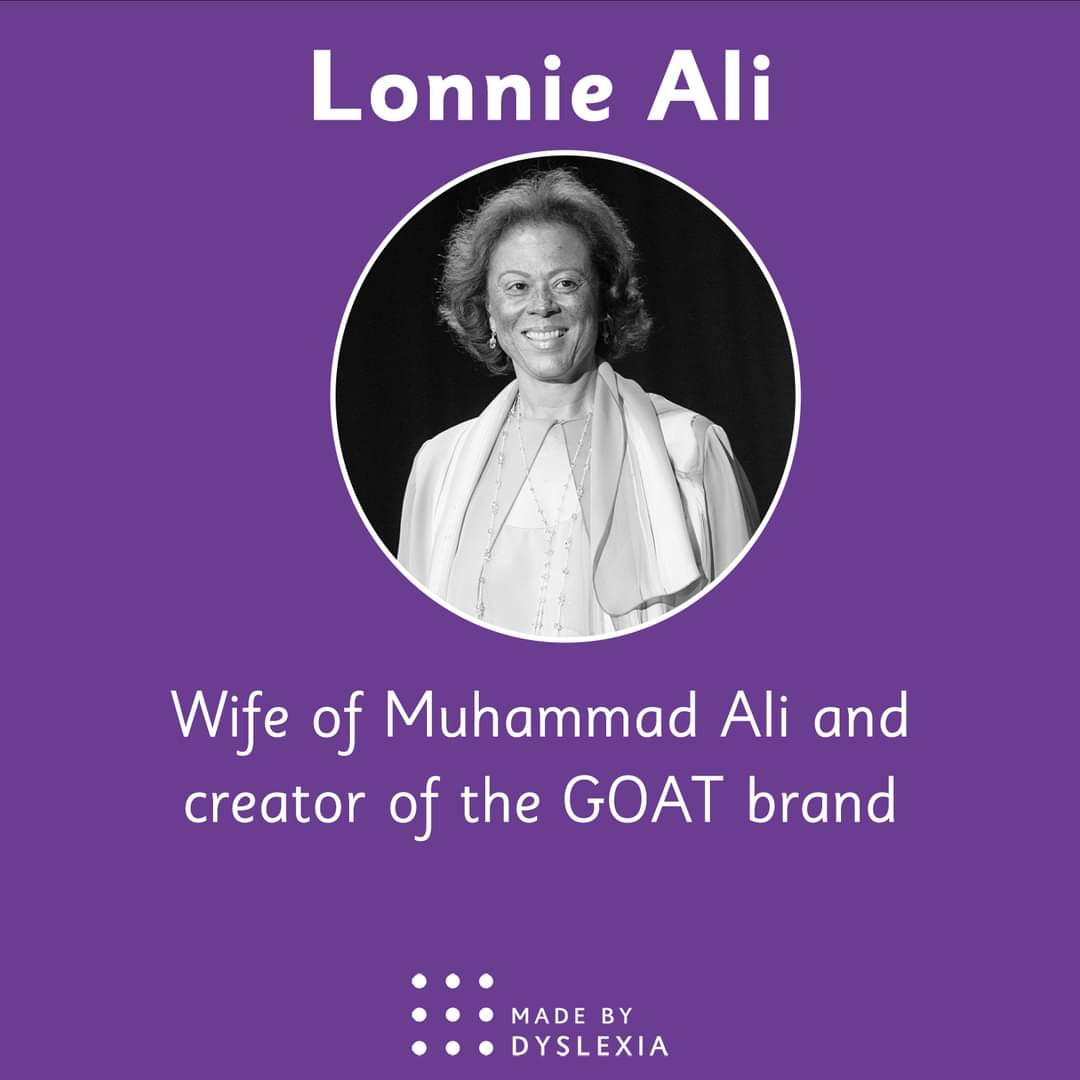
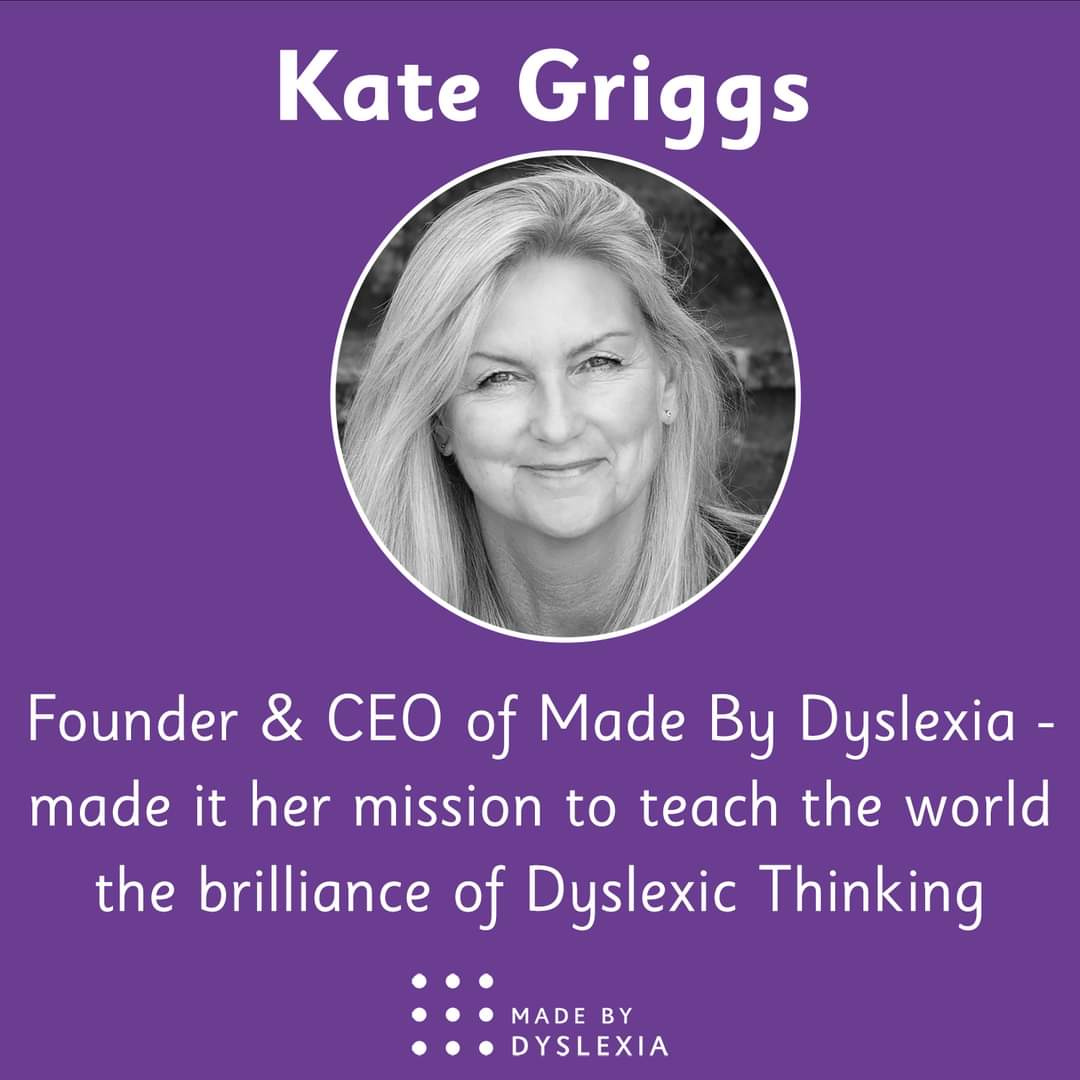
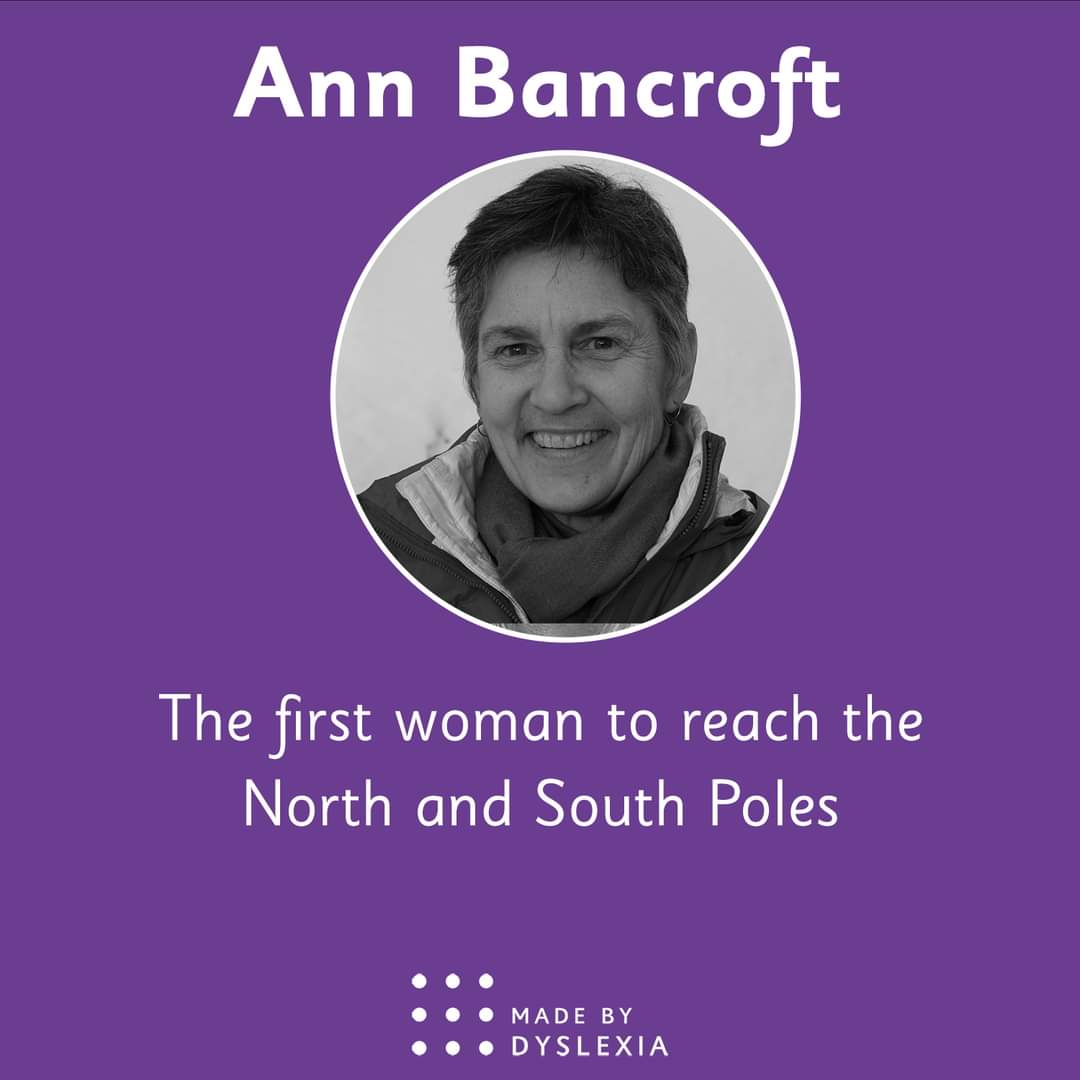
Inspiring Dyslexics








Can you spot a Maker a mile off?
There are 7 Dyslexic Thinking archetypes in children: ‘Maker’ is one of them. Is your child a Maker?
In the following link, featuring Made By Dyslexia founder and Dyslexic Thinking expert, Kate Griggs, you can see how to spot a Maker.
The 7 Dyslexic Thinking Archetypes are:
- Storytellers
- Makers
- Entertainers
- Movers
- Imaginers
- Questioners
- ‘People’ people

Resources and Further Reading
PDF Downloads Supporting Learning:
Games to play at home to support Literacy Skills »
5 ways to support your child with dyslexia at home »
Useful Features iPad and Word »
Assistive Technology and Exam Access Arrangements
https://www.youtube.com/watch?v=PVAYB1ghjac
( BDA webinar ; Empowering potential with Microsoft)
https://www.dyslexic.com/about-us/ Its a company that sells dyslexia assistive technology.
https://dyslexia-assist.org.uk/for-children/revision/
https://www.jcq.org.uk/exams-office/access-arrangements-and-special-consideration
Access Arrangements
Educational Resources for Parents and Children
https://www.patoss-dyslexia.org/Tutor-Index-Landing
https://www.madebydyslexia.org/learn-dyslexia/
https://www.barringtonstoke.co.uk/dyslexic-reluctant-readers/
https://www.nessy.com/en-gb/science-of-reading
https://www.nessy.com/en-gb/dyslexia-explained
https://www.dyslexia.com/about-dyslexia/dyslexic-achievers/all-achievers/
https://www.thedyslexiashop.co.uk/
https://dyslexiaassociation.org.au/support/
https://www.thesendcast.com/tag/dyslexia/
https://www.sensorydirect.com/
Sensory products based in Worcester
https://keystagefun.co.uk/
Apps to help with spelling, punctuation, maths KS1 – KS2 but may help some KS3
https://www.teachyourmonster.org/
Reading and maths apps
https://www.cricksoft.com/uk/about
Clicker and Docs plus
https://www.listening-books.org.uk/
Often free or yearly one off subscription
https://www.dyslexicadvantage.org/dyslexia-is-my-superpower/
https://readeasy.org.uk/
A charity to help adults learn to read, you can search for closest scheme.